A Player’s View on Capcom’s Resident Evil Remake Formula in 2026
As a player who discovered Resident Evil through its remakes, I have a soft spot for the way Capcom has handled this series. I still remember the first time I realized that a remake could be more than a fresh coat of paint. Long before remakes of AAA games felt like a surefire success, Capcom took a real risk by reimagining the original Resident Evil for the GameCube. That project did not just update graphics; it showed me that a remake could honor the mechanics and aesthetic of the original while making the experience feel newly dangerous. When the Resident Evil 2 remake finally arrived in 2019 after years of rumors, I felt like Capcom had turned that early experiment into a winning formula.
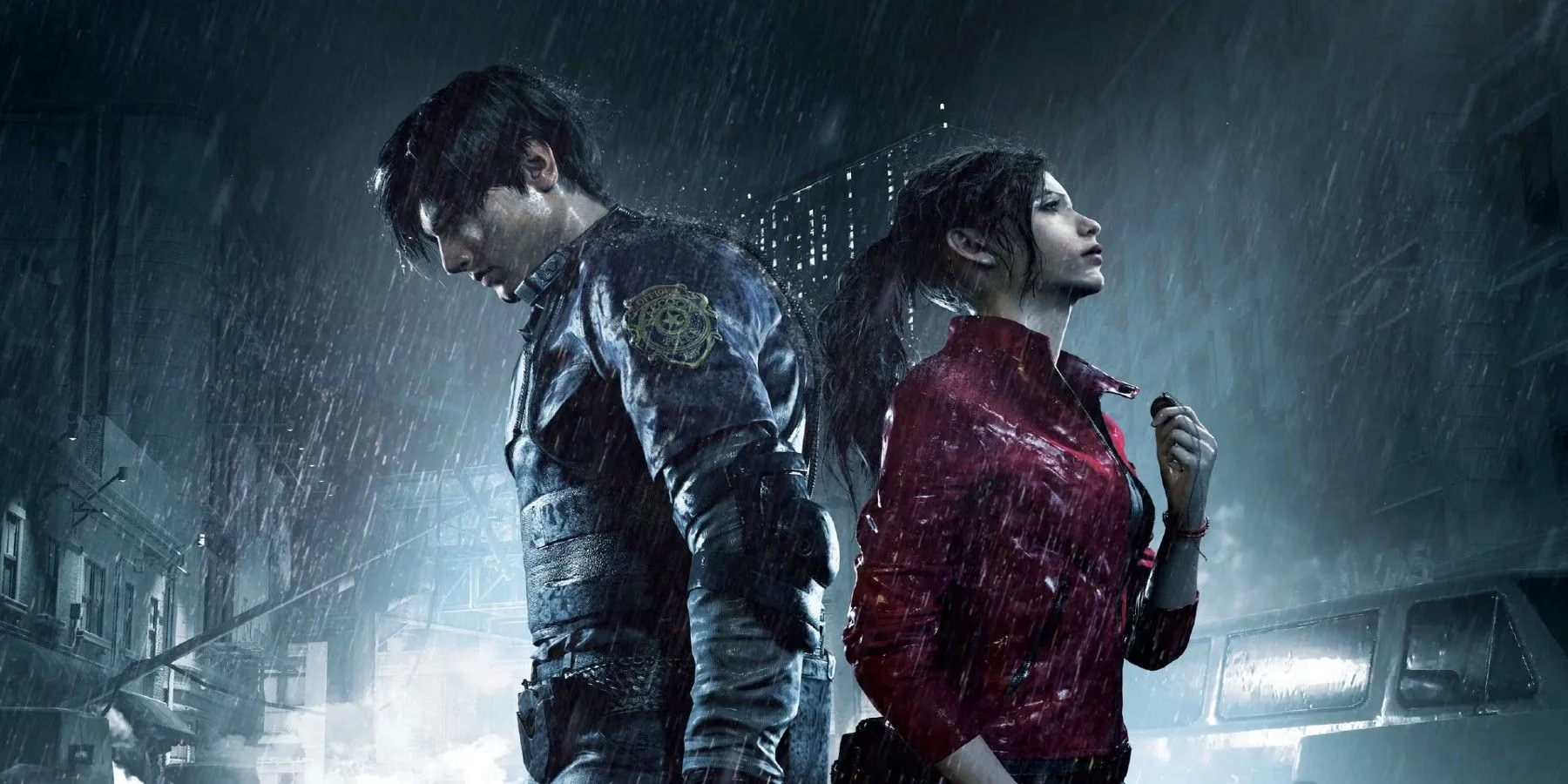
Why the Formula Keeps Pulling Me Back
From my perspective as a fan, the appeal is not simply nostalgia. Capcom has found a rhythm: release a remake of a classic title between numbered sequels, and use each remake to bring the series firmly back to its horror roots. Resident Evil 3 was enjoyed by many players, and the Resident Evil 4 remake proved that the formula still works even when the source material is considered untouchable by a large part of the fan base. I had concerns about RE4 because so many people call it the best entry in the series, but the critical and commercial reception made those concerns feel unfounded.
| Remake | What I notice as a player | Why it matters |
|---|---|---|
| Resident Evil (GameCube) | A risky reimagining with respect for the original | It set a quality bar for future remakes |
| Resident Evil 2 (2019) | Dark, tense, and modern without losing identity | It proved the formula could be a franchise strategy |
| Resident Evil 3 | Faster pacing and familiar survival horror beats | It kept the remake conversation alive |
| Resident Evil 4 | Tight third-person gameplay and reverence for the source | It showed the formula could handle a beloved classic |
What I admire most is the consistent tone. The remakes feel dark and foreboding in a way that matches my memory of the series at its best. They do not treat horror as a temporary set piece. Instead, they let tension build through pacing, sound, resource pressure, and the sense that every corridor could turn hostile. That consistency matters because Resident Evil 5 and Resident Evil 6 had pushed the action-film inspiration further than I personally wanted. For me, Resident Evil 7 was the desperately needed shot in the arm that brought the franchise back to a peak, and the remakes have kept that momentum alive.
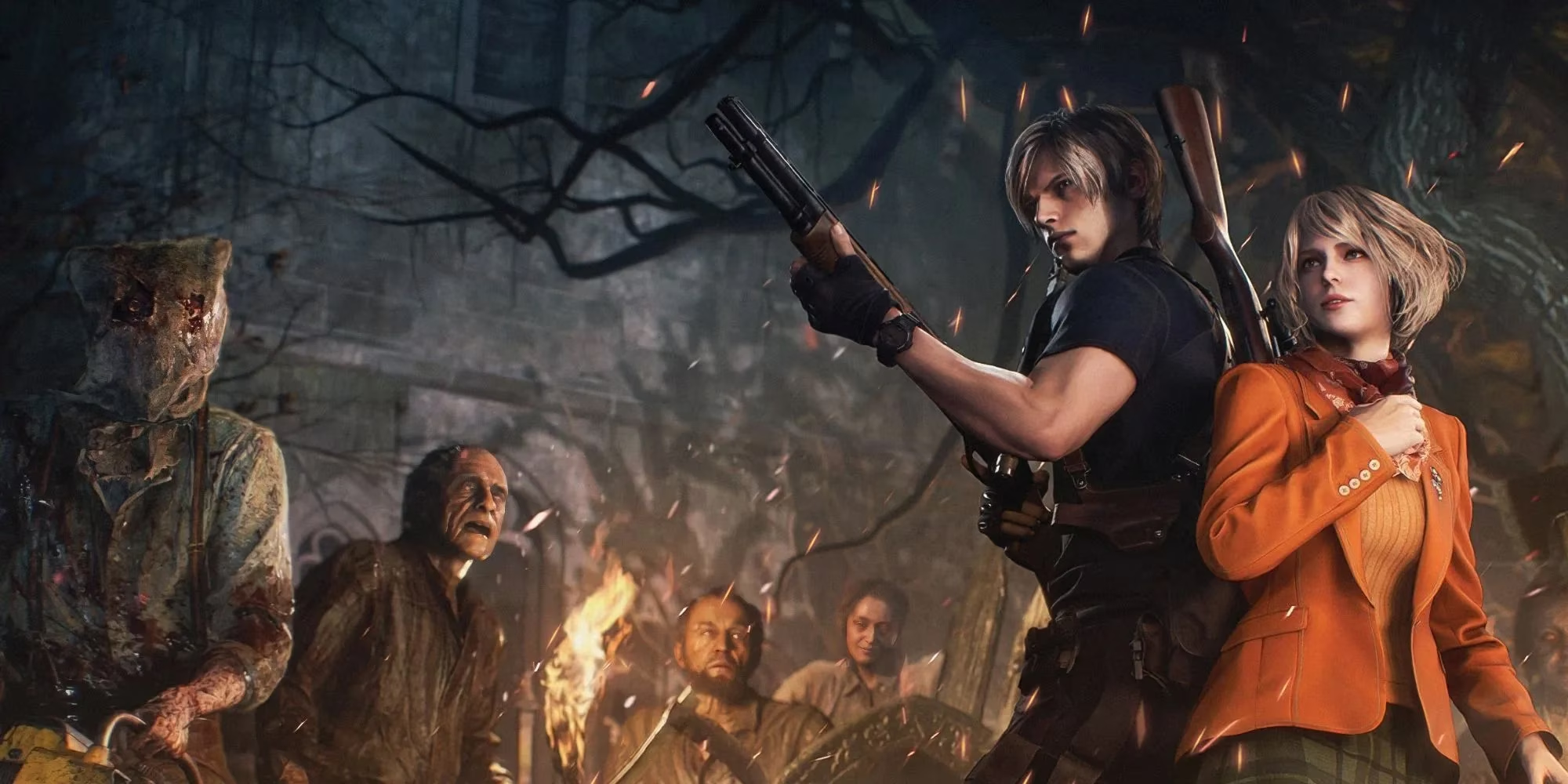
The Tone Is the Real Remake Engine
When I play these remakes, I do not need every original room or every old line to be preserved exactly. What I need is the feeling that the developers understand why the original mattered. Capcom’s recent remakes succeed because they combine a consistently dark tone, tight third-person gameplay, and clear reverence for the source material. That combination is the real engine behind the series renaissance. It also explains why the remakes can sit between new mainline entries without feeling like filler. They give fans a reason to revisit the past while keeping the future of the franchise in view.
By 2026, the conversation around the next mainline Resident Evil game, often called Resident Evil 9 in fan circles, has only grown louder. I am curious about what comes next in the numbered saga, but I am equally curious about which classic title will receive the remake treatment after that sequel arrives. The Arklay Mountains, Raccoon City, and the snow-capped hills of dilapidated Eastern Europe have already given the series an incredible set of journeys across almost 30 years. There are plenty of options for Capcom to choose from, and as a player I do not need the next remake to be the most obvious one. I need it to respect the same tone, gameplay discipline, and source-material reverence that made the recent remakes work.
What I Want From the Next Remake
If Capcom announces another Resident Evil remake, my personal checklist is simple:
-
🎮 Keep the survival horror pressure meaningful, not just cinematic.
-
🕯️ Preserve the dark, foreboding atmosphere that defines the best entries.
-
🧟 Treat iconic enemies and locations with care, but do not be afraid to modernize controls and pacing.
-
🔁 Maintain the tight third-person gameplay that has become a hallmark of the recent remakes.
-
❤️ Respect the source material enough to understand why fans still care after almost 30 years.
I also find it telling that Capcom’s success has inspired other studios to revisit their own classics. The Dead Space remake and the Silent Hill 2 remake are part of a wider remake wave that has arrived by 2026, and I see Capcom’s Resident Evil work as one of the clearest examples of how to do it well. The lesson is not that every old game needs a remake. The lesson is that a remake can earn goodwill by staying true to what made the original frightening in the first place.
As a player, I am happy to follow Capcom through this continued franchise renaissance. The remakes have given me a way to experience classic Resident Evil stories with modern tension, and they have made the wait for the next mainline entry feel less empty. Whether the next project is another remake or the eventual sequel, I hope Capcom keeps the same priorities: horror first, respect for the past, and gameplay that feels deliberately tense rather than merely busy. Resident Evil 4 remains available on PC, PS4, PS5, and Xbox Series X/S, and for me it stands as proof that the remake formula is still one of Capcom’s strongest tools.