Dead Space and Resident Evil 4 Remakes: Why Headshots Are Not Always the Answer
The 2023 remakes of Dead Space and Resident Evil 4 share a design lineage that stretches back to 2005's Resident Evil 4, and their similarities remain striking in 2026. Motive Studio and Capcom modernized the controls and graphics of their respective games while preserving the over-the-shoulder camera and tightly tuned combat that defined the originals. For players who want the most polished version of either experience, the remakes continue to serve as the definitive way to encounter Isaac Clarke and Leon Kennedy.
Two Kinds of Horror, One Shared Lesson
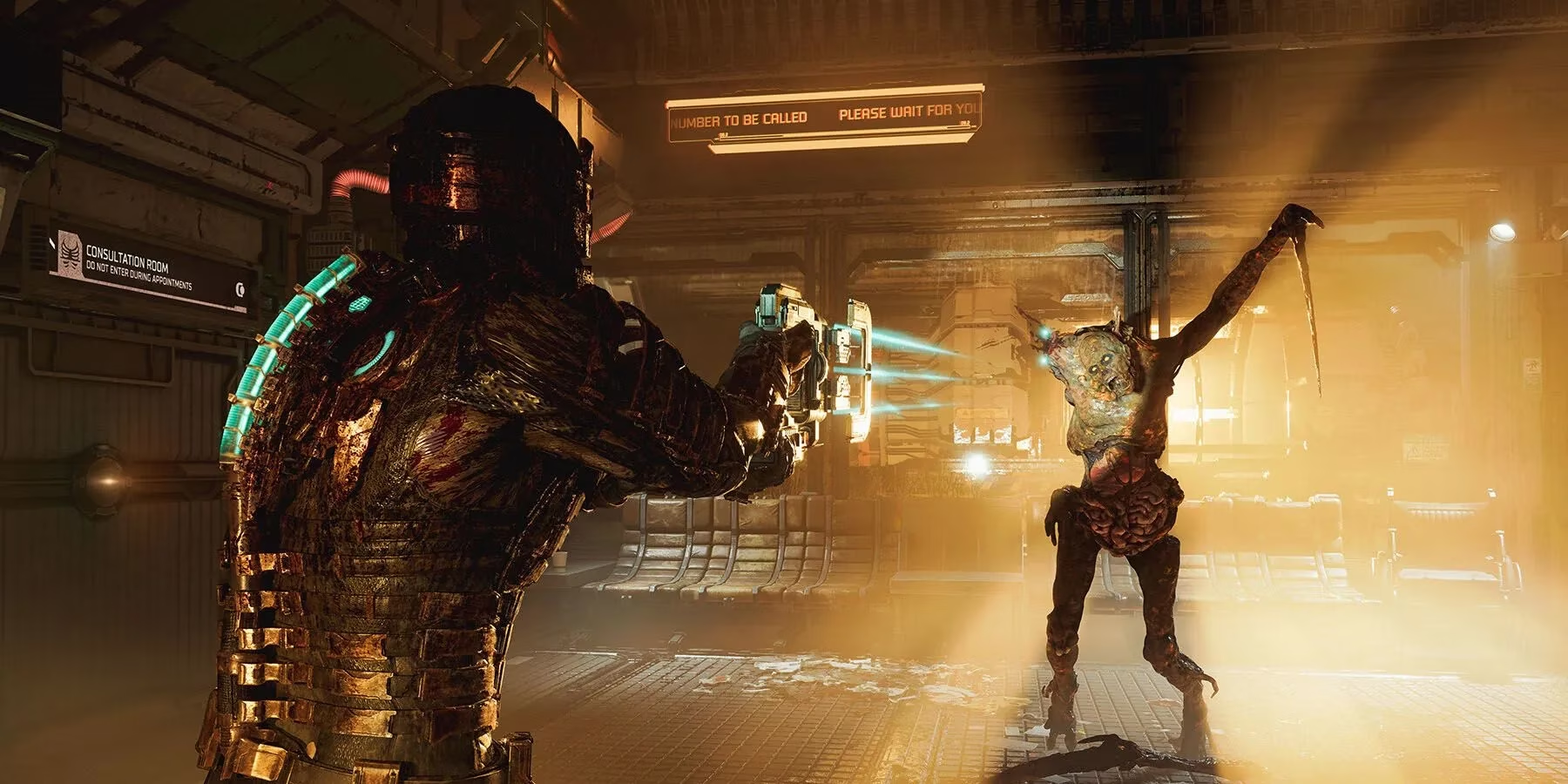
Dead Space and Resident Evil 4 create fear in different ways, yet both remakes teach a similar combat lesson. Traditional third-person shooters often train players to aim for the head and expect a clean, immediate kill. The enemies in these games subvert that expectation. Their unusual anatomies demand strategic thinking, especially when players decide where to place each shot. 🧟
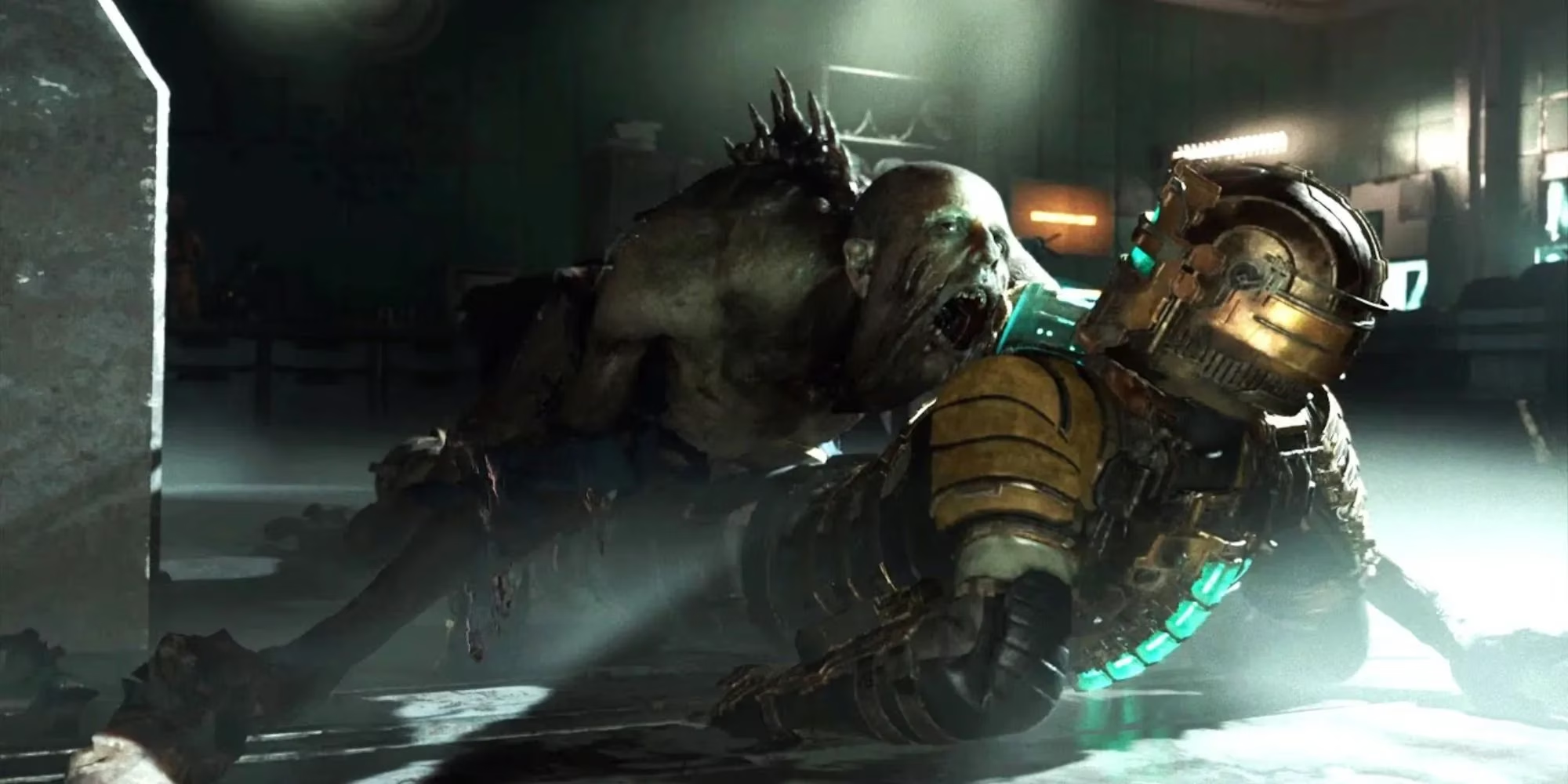
The Necromorphs in Dead Space are mutated corpses reshaped and reanimated by an alien genetic code tied to the Markers. That code can affect the dead tissue of any organic being, but most of the Necromorphs aboard the U.S.G. Ishimura are the reanimated remains of the crew. Because of this, many enemies Isaac fights still possess human anatomy, but they do not behave like ordinary human foes.
Players learn very early that shooting a Necromorph in the head does not stop it. Since Necromorphs are reanimated tissue, the only reliable way to prevent them from harming others is to cut off their limbs. Legs, arms, tails, and tendrils become priority targets. An armless Leaper cannot pounce on Isaac, and a Slasher without its bladed appendages cannot slash him. Strategic dismemberment has always been at the core of the Dead Space franchise, and the remake gives players more ways to target body parts beyond the head.
Los Iluminados and the Plaga Problem
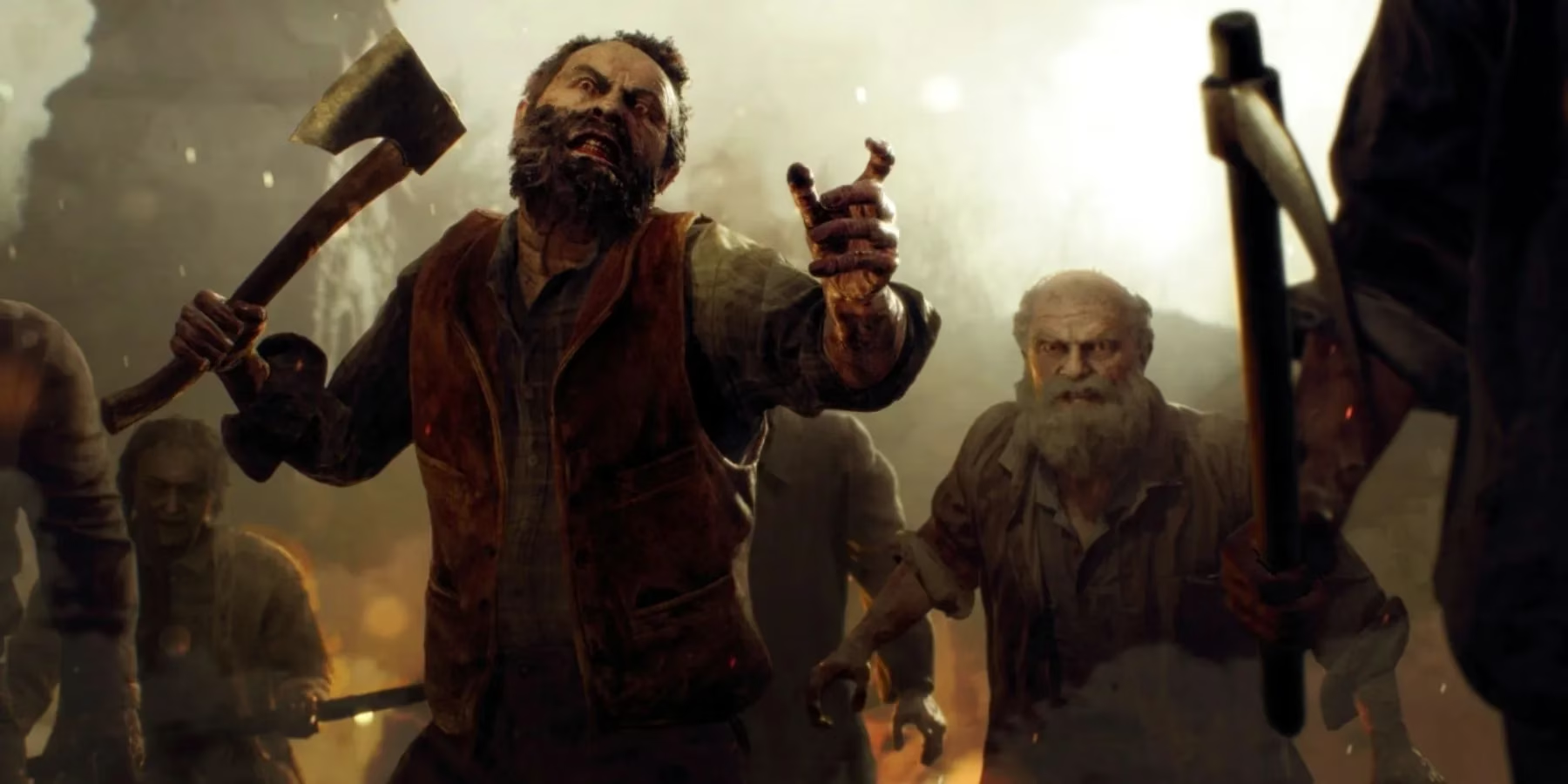
Resident Evil 4's Los Iluminados present a different kind of threat. Most of them retain human features, and they still possess enough mental function to talk, walk, and attack in a human-like manner. Many even look human on the outside. At the start of the game, Leon Kennedy can take out villagers with headshots that deal the most damage possible.
Eventually, however, the situation becomes stranger. If players deal enough damage to a Los Iluminados member, the Plaga inside them may erupt from their head to defend its host. A large parasite then emerges, either with a bladed tendril that slashes at nearby threats or with multiple rows of sharp teeth that can kill players with a single pounce. Because a Plaga can emerge from any enemy, players must remain cautious. They need to keep their distance when attempting headshots, lest they face an emerging Plaga at close range.
When multiple Plaga have emerged from grouped-up enemies, a single Flash Grenade can eliminate them all. Headshots can also be avoided altogether. Players can aim for other body parts, such as the legs and arms, to reduce the Los Iluminados enemies' mobility and ability to attack. The remake therefore turns the familiar headshot into a risk-reward decision rather than an automatic answer.
Why Both Remakes Discourage the Easy Shot
Although Dead Space and Resident Evil 4 discourage headshots for different reasons, their methods for dealing with adversaries are quite similar. Aiming for other body parts and reducing enemies' capabilities becomes the name of the game. These tactics increase Isaac and Leon's crowd control capabilities while allowing them to save precious resources.
| Game | Enemy Type | Headshot Outcome | Better Target | Tactical Payoff |
|---|---|---|---|---|
| Dead Space Remake | Necromorphs | Headshots do not reliably stop the threat | Limbs, tails, and tendrils | Prevents attacks and pounces while conserving ammo |
| Resident Evil 4 Remake | Los Iluminados | Can trigger a Plaga eruption | Legs and arms, followed by Flash Grenades when needed | Reduces mobility and attack options while managing groups |
Both games retain a sense of horror while playing them organically. Resource pressure matters. Ammunition is not endless, and every missed shot or unnecessary risk can turn a manageable encounter into a crisis. The remakes reward players who read enemy behavior, target weak points, and stay aware of their surroundings. 🔫
In Dead Space, that awareness often means cutting apart a Necromorph before it can close the distance. In Resident Evil 4, it means deciding whether a headshot is worth the chance of awakening a Plaga. The solutions are not identical, but the underlying philosophy is. Neither game wants players to rely on a simple reflex. Both remakes ask for deliberate aiming, careful positioning, and a willingness to adapt when the enemy refuses to fall.
Dead Space Remake is available now on PC, PS5, and Xbox Series X. As of 2026, its approach to strategic dismemberment remains one of the clearest examples of how enemy design can reshape the way players think during combat. ⚡
This overview is based on reporting from GamesIndustry.biz, whose developer-focused coverage helps contextualize why remakes like Dead Space and Resident Evil 4 succeed by modernizing presentation without abandoning the combat logic that made their originals influential. Seen through that lens, both games stand out not just as polished horror releases, but as case studies in how enemy design can force players to rethink inherited shooter habits such as always aiming for the head.