The 5 Most Controversial Characters in the Resident Evil 4 Remake, 2 Years Later
Even in 2026, the Resident Evil 4 Remake is hailed as a masterpiece of modern reimagination, a title that set a new gold standard for how to revitalize a classic. Its success lies not just in the polished over-the-shoulder combat or the stunningly oppressive atmosphere of the Spanish countryside, but in its bold, often debated, character reworkings. The developers didn't just update polygons; they dug into the very souls of Leon's companions and foes, injecting them with modern sensibilities, tragic depth, and sometimes, a whole new can of worms. While many changes were met with thunderous applause, a handful of characters became lightning rods for fiery online discourse, their very existence sparking debates that rage on in fan forums and social media feeds. From questionable presidential decisions to vocal performances that divided a fandom, these figures prove that in gaming, legacy is a double-edged knife.
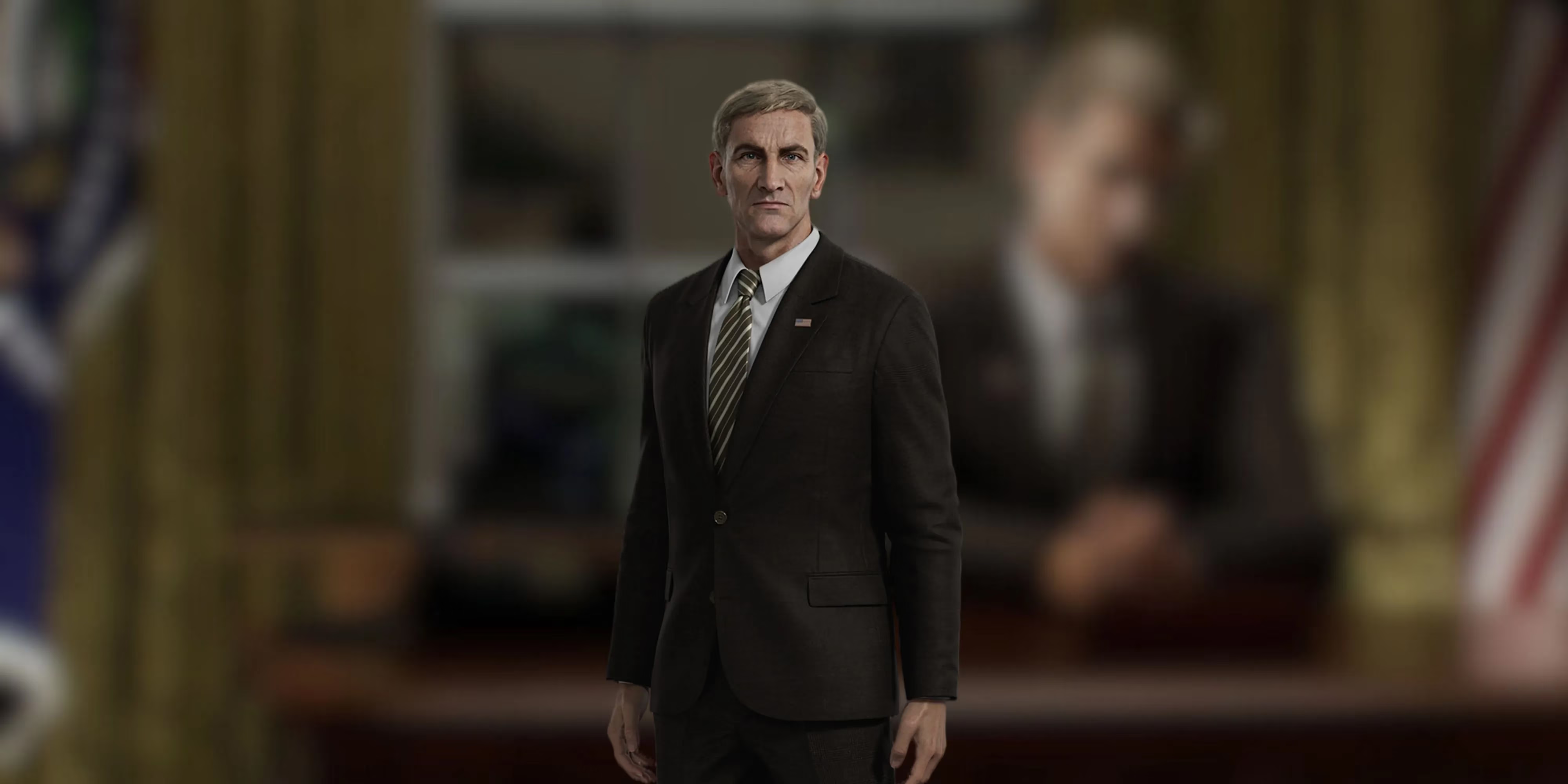
Let's start at the very top, with the man who sets the whole plot in motion: President Graham. The remake tries to give his seemingly flippant order—sending Leon, his only trusted agent, on a solo mission to rescue his kidnapped daughter—some bureaucratic cover. Secret files hint at a White House in disarray, with other agents under investigation. But for many players, this context just doesn't wash. 😒 It feels less like a strategic decision and more like a narrative convenience of epic proportions. Critics argue it paints the leader of the free world and his entire security apparatus as shockingly, almost comically, incompetent. Sending your last reliable man on a one-way ticket to a parasite-infested hellscape? That's not a rescue mission; that's a setup for a diplomatic incident! The controversy isn't about Graham's screen time; it's about the foundational logic of the story itself, a plot hole some fans still can't overlook, no matter how many classified documents they find.
If President Graham represents a logical controversy, then Ramon Salazar is the king of the tonal controversy. The remake did little to rehabilitate this pint-sized tyrant from his original role as a shrieking, malicious brat. His motives remain paper-thin, his demeanor that of a spoiled child given control of a castle and a monstrous right-hand... thing. 🏰👾 While some antagonists in the series ooze tragic pathos or chilling menace, Salazar often just oozes annoyance. Yet, here's the twist in the debate: a vocal contingent of fans now champions this very quality. They argue Salazar is supposed to be ridiculous, a deliberate piece of comic relief and cathartic target practice. Leon's iconic, dismissive quips—"You talk too much"—before blowing him away are seen not as missed opportunities for depth, but as the perfect payoff for a villain designed to be laughed at and then eliminated. Is he a weak villain, or a brilliantly executed joke villain? The jury, even now, is still out.
Then we have Luis Serra, a character the remake genuinely tried to save from obscurity. Gone is the shallow scientist of old; in his place is a man haunted by a tragic past—a former Umbrella researcher, the grandson of the village chief, a witness to his mother's death. This should have been a home run for sympathy, right? Wrong. 🎯 If anything, the expanded backstory intensified the debate around him. By tying him directly to Umbrella and even hinting at involvement in the Raccoon City disaster, the remake made his sins more concrete. For many, his charming demeanor and last-minute heroics weren't enough to wash away that stain. The question "Did Luis deserve to die?" became a moral battleground. One side sees a repentant pawn seeking redemption, a man who ultimately gave his life to help right his wrongs. The other sees a willing accomplice to bioterrorism whose death was a necessary, if tragic, conclusion. His richer story didn't end the controversy; it just made it more complex and heartbreaking.

Ashley Graham's transformation is arguably the remake's most significant character overhaul. The original's screaming, helpless damsel was replaced with a more realistic, resilient young woman who actively helps Leon, takes cover, and even shows flashes of wit. A clear win? Not entirely. While many praised this maturity, a stubborn segment of the player base still found her... irritating. The legacy of the "Leon, help!" meme is powerful, and for some, any instance where she needs protection or complicates a fight revives those old frustrations. Furthermore, the debate about her visual design persists. Although aged up to look like a realistic 20-year-old, certain unlockable outfits in the game have been criticized for leaning into the very sexualization the remake seemed to move away from. It created a strange dissonance: her character writing says "capable modern survivor," but some of her wardrobe choices whisper something else, leaving players conflicted about the consistency of her portrayal.
Finally, we arrive at the single most explosive controversy: Ada Wong's new voice. Replacing longtime voice actress Sally Cahill with Lily Gao wasn't just a casting change; it was a cultural event that split the fandom like a Plaga parasite. 🎤⚡ The debate was fierce and multifaceted:
-
The Pro-Cahill Camp argued for the power of nostalgia and a specific, coolly seductive vocal quality they felt defined Ada's mysterious allure.
-
The Pro-Gao Camp applauded the casting of an Asian actress for an Asian character, seeing it as a step toward authentic representation, and argued her performance brought a different, more grounded and serious realism to the role.
This wasn't just about audio preferences; it tapped into larger conversations about representation, sexualization of female characters, and the sacredness of legacy performances. Even years later, mentioning "RE4 Remake Ada voice" is enough to spark a lively, and often heated, discussion thread. It remains a landmark case study in how a single creative decision can reverberate through a global community.
| Character | Core of Controversy | Fan Divide |
|---|---|---|
| President Graham | Illogical Plot Motivation | Rational Security Decision vs. Narrative Cop-Out |
| Ramon Salazar | Shallow, Annoying Antagonist | Failed Villain vs. Intentional Comic Relief |
| Luis Serra | Moral Redemption & Deserved Fate | Tragic Pawn vs. Culpable Accomplice |
| Ashley Graham | Modernization & Visual Design | Successful Update vs. Lingering Irritations |
| Ada Wong | Voice Actress Recasting | Nostalgic Legacy vs. Modern Representation |
In the end, these controversies are a testament to the remake's ambition. It dared to touch the untouchable, to rewrite memories, and in doing so, it guaranteed its characters would be talked about, analyzed, and debated for years to come. They are no longer just pixels and code; they are questions, arguments, and symbols of the complex relationship between gamers and the classics they hold dear. The Resident Evil 4 Remake didn't just deliver a polished game; it delivered a conversation that, as of 2026, shows no signs of stopping. 💬🔪